Pricing & Monetization
Lago vs Chargebee: Choose Billing for the Product You Will Sell Next

Anh-Tho Chuong•Oct 15•4 min read
Jul 1
/4 min read
Anh-Tho Chuong
Share on


An enterprise price is a promise about the bill a customer will receive as they grow. A negotiated rate alone cannot make that promise. The unit you charge for, the minimum you ask for, and the rules for growth matter more than the percentage off list price. Together, they need to give the buyer enough certainty to commit while letting the seller earn more as the customer gets more value.
The difficult part is choosing who carries the risk when usage is lower or higher than expected. Get that right before negotiating the final rate.
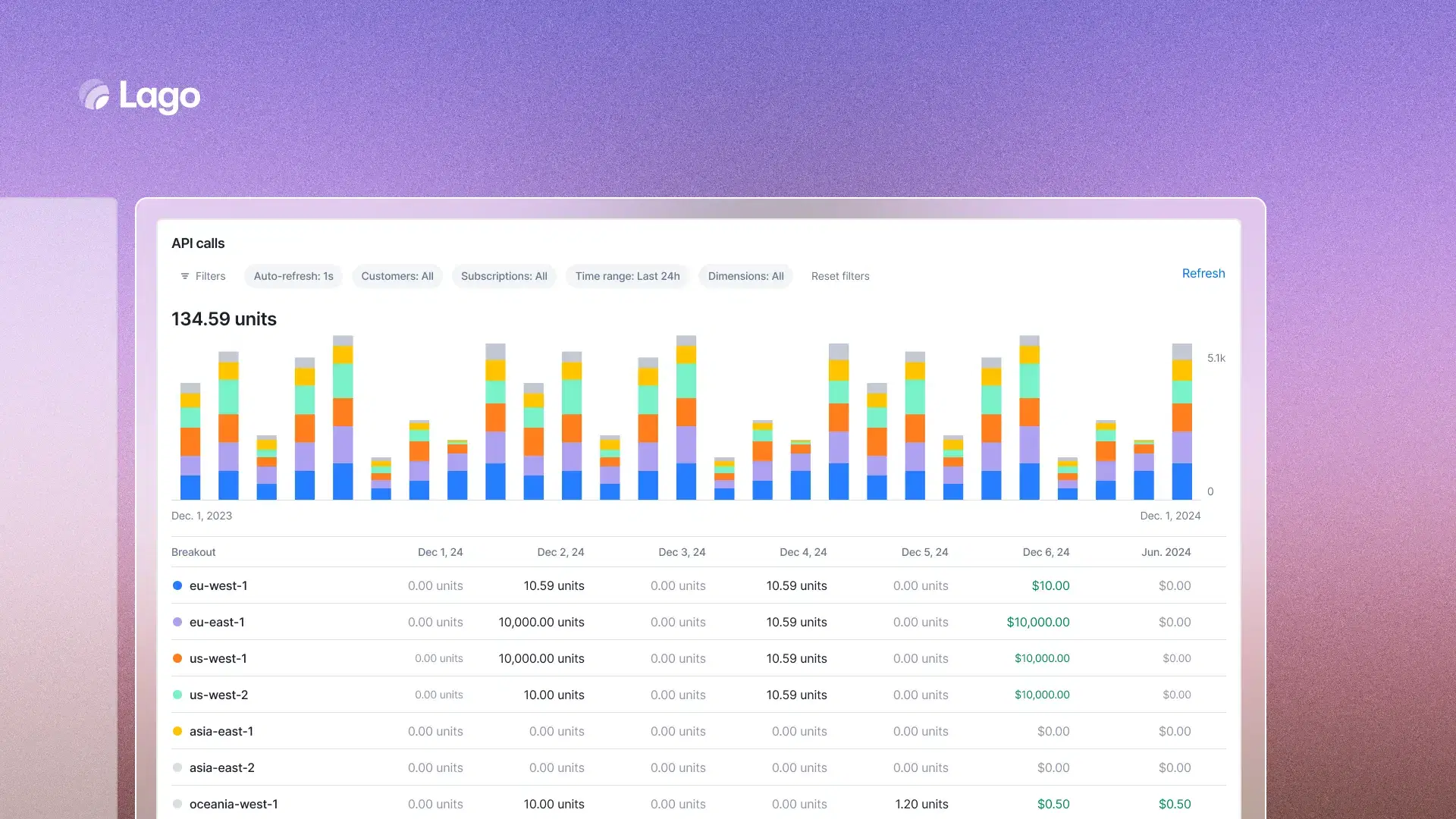
A seat is a good pricing unit when adding users is how a customer gets more value. It is a poor proxy for an infrastructure product that twenty engineers use to serve millions of requests. In that case, usage may be closer to both the customer's value and your cost. Pure usage pricing has a different problem: a buyer may struggle to approve an open-ended budget.
That is why many enterprise deals combine a fixed fee with included usage and a rate above the allowance. The fixed fee gives the vendor a floor and the customer access to the product and agreed service. The usage component lets the price grow without a new negotiation every time adoption rises. Neither part is automatically fair. The fee can be too high for a customer still rolling out; the overage rate can punish the growth you want to encourage.
Before choosing the model, calculate three cases using the best usage evidence you have: slower adoption, expected adoption, and a step change after rollout. Check your cost to serve and the customer's likely bill in each case. A low unit rate can hide a bad deal when there is no minimum. An attractive annual fee can hide a bad buyer experience if ordinary growth produces a large, unexpected overage.
For example, imagine a $10,000 monthly platform fee that includes one million billable units, with additional units at $0.01 each. At one million units, the charge is $10,000. At 1.3 million, it is $13,000. At two million, it is $20,000, before tax. Those numbers are illustrative, but the question they expose is real: can the buyer defend the $20,000 scenario if the rollout succeeds? If not, change the allowance, rate, spend controls, or commitment before you close the deal.
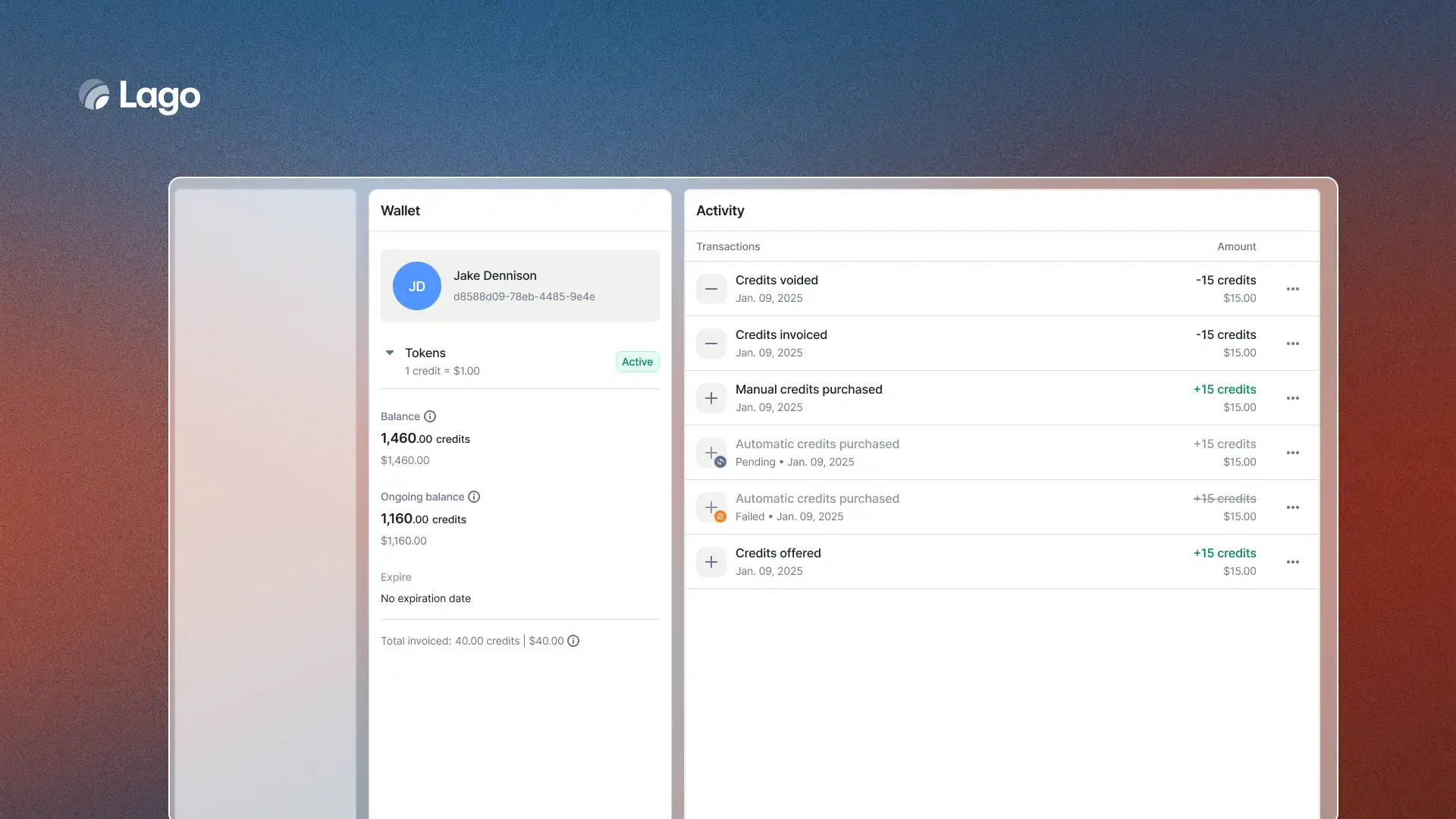
A commitment, a prepayment, and an allowance solve different problems. A commitment is the amount the customer agrees to buy or spend over a period. A prepayment is cash collected before the usage occurs. An allowance is usage included before an extra charge applies. A deal can include all three, but calling them all “credits” leaves the most important commercial question unanswered: what happens if the customer uses less, or more, than planned?
A $120,000 annual minimum, for example, could be invoiced in monthly installments or paid upfront. It could be applied to all charges or only to specified products. Unused value might expire, roll forward, or be lost at renewal. Each choice changes the risk and cash flow for both parties. Put the answer in the order form, rather than relying on a salesperson or a billing team to interpret it later.
Treat discounts as an exchange, too. A lower rate may be justified by committed volume, a longer term, upfront payment, or a narrower service scope. Record the reason and its expiry. A one-year launch discount that silently becomes the renewal baseline is a different price from the one you thought you sold.
Ramps can help when the customer needs time to deploy. If the commitment rises in year two, state when it rises and what happens if rollout is delayed. If the buyer wants the option to grow without another procurement cycle, agree on the price of that growth now. Predictability is part of the product you are selling.
The customer should be able to answer four questions from the proposal: what is included, what creates an additional charge, how high the bill could reasonably get, and what changes at renewal. Define a billable unit, the measurement period, and whether unused allowances roll over. State any cap or alert threshold. An overage rate is only useful when the buyer can tell which events count toward it.
Now put the illustrative deal through billing. At 1.3 million units, the July charge should be $13,000: the $10,000 platform fee plus $3,000 for 300,000 extra units. If both sides agree to raise the allowance to 1.5 million starting August 1, the same usage in August should cost $10,000. July should still cost $13,000. Those amounts need to match the proposal, order form, and invoice previews before anyone signs.
For a repeatable vendor test using this kind of deal, see how to choose billing software for enterprise custom contracts.
Lago carries negotiated terms from a pricing plan through the approved order form into billing, without re-entering the deal. Quotes & Order Forms captures customer-specific rates, credits, and discounts. With representative usage, invoice previews let you show the buyer what those terms would charge before the bill goes out. Quotes & Order Forms is available on request.
Bring an anonymized deal and two usage scenarios to a Lago demo. We can model the price and show what a normal month and an overage month would look like on the bill. Your buyer should understand both before they sign.

Anh-Tho Chuong
Anh-Tho Chuong is the co-founder and CEO of Lago, the open-source billing platform. She writes about pricing, business models as code, and using product as a monetization lever.
Share on