













 Frontier AI
Lago has been able to follow the pace of our releases and has allowed us to focus on what we do best.

1–3M events/sec
Kafka/Redpanda + ClickHouse Cloud benchmark
99.9% historical uptime
Guaranteed SLAs for enterprise customers
$829M of invoices issued monthly*
Battle-tested platform, built for accuracy
*based on total requests to Lago API in October 2025
Spot overdue, partially paid or unpaid invoices with filters to never lose track of what you’re owed.
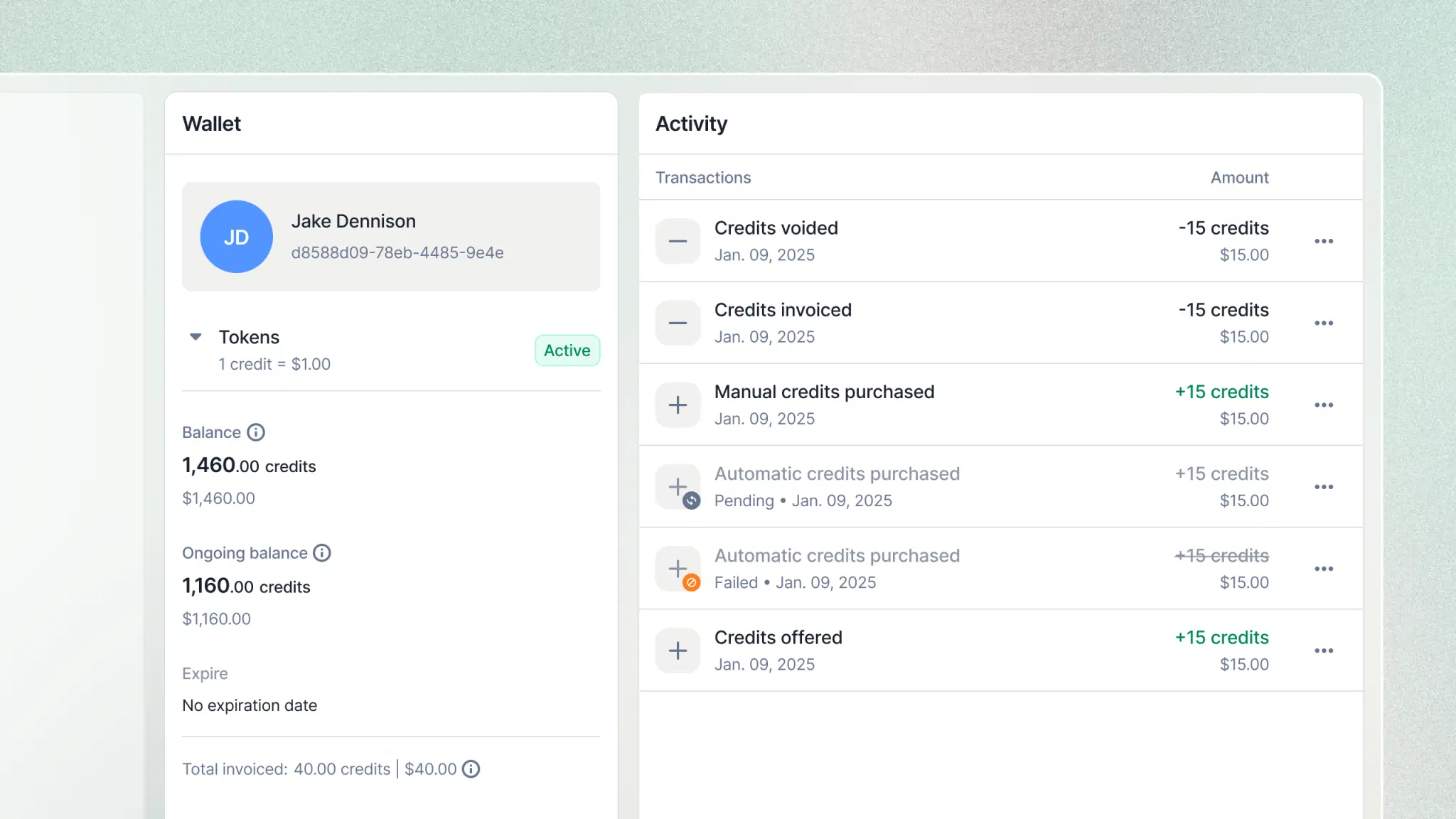
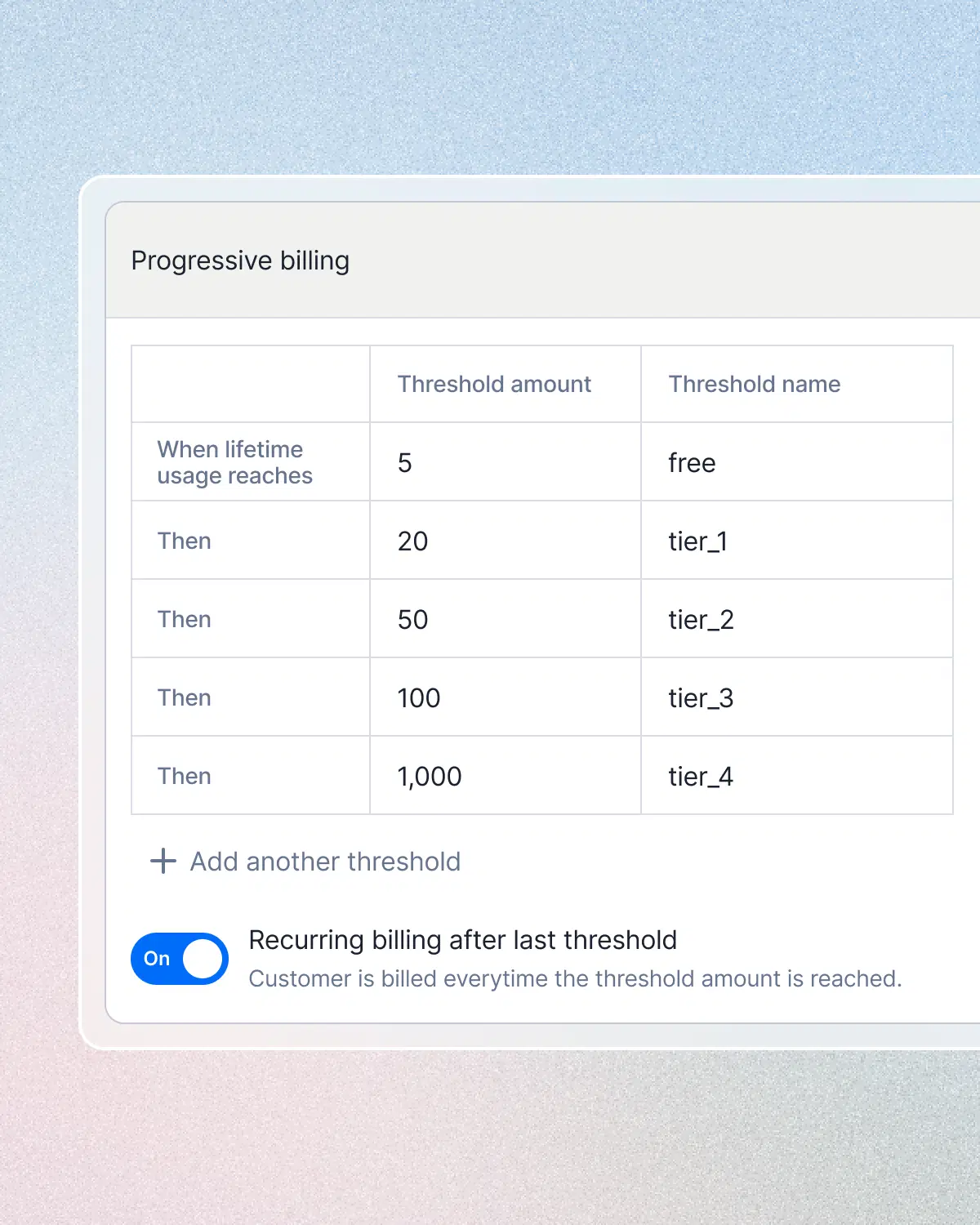
Trigger threshold-based invoices with progressive billing and validate payments with 3D Secure to ensure customers pay what they owe you.
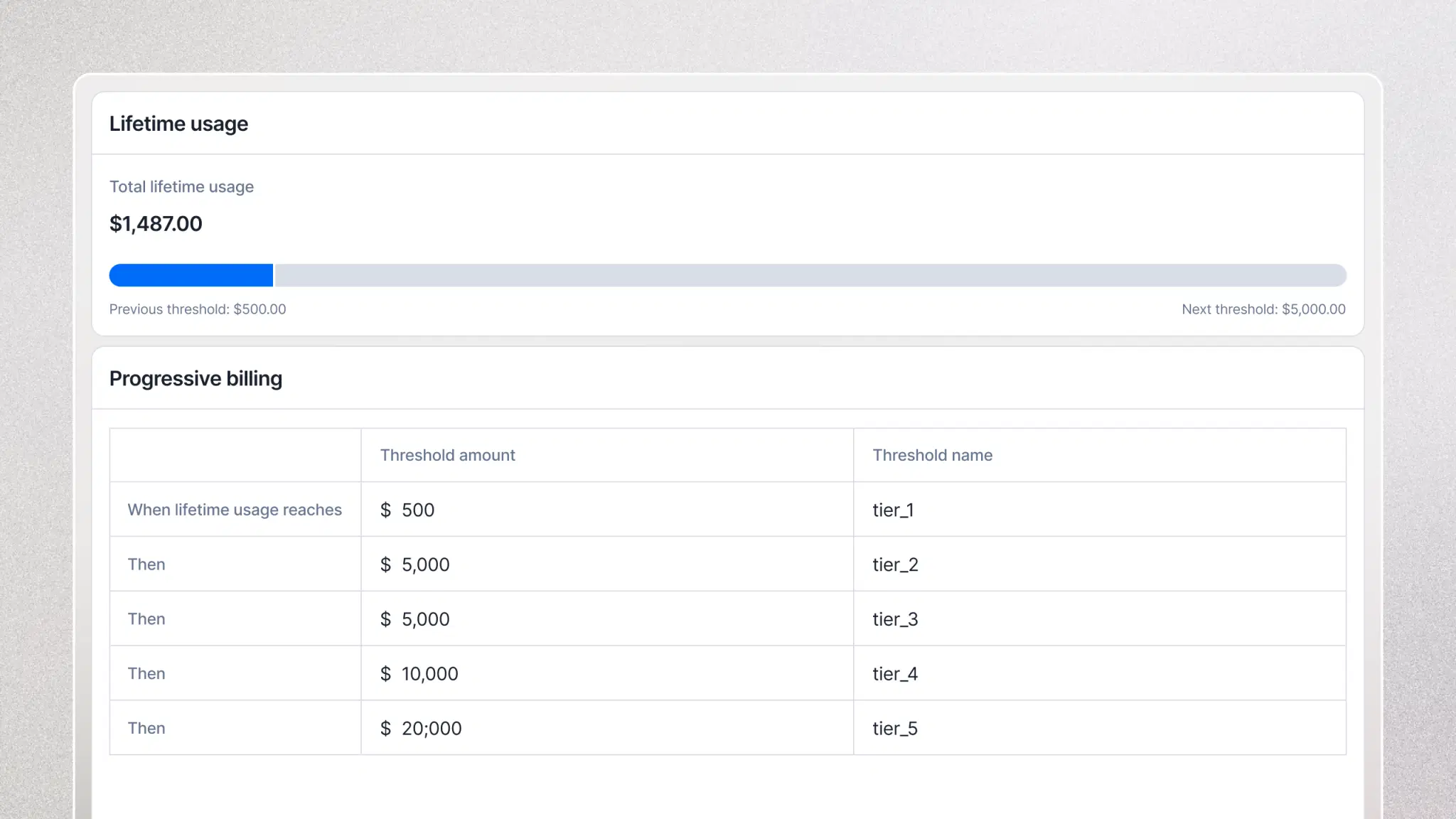
Ensure you get paid with payment retries, customer-facing reminders and automatic dunning.
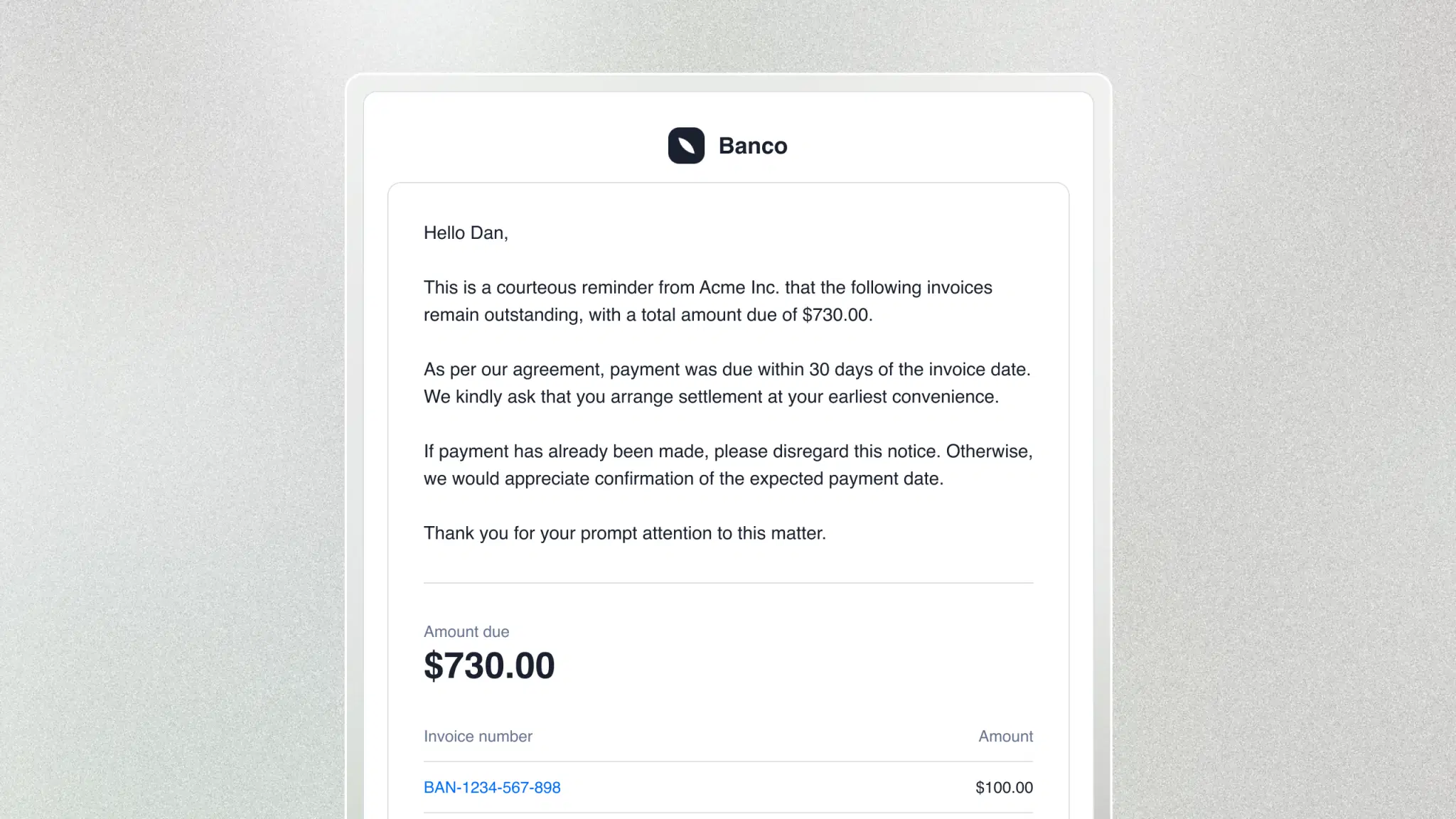
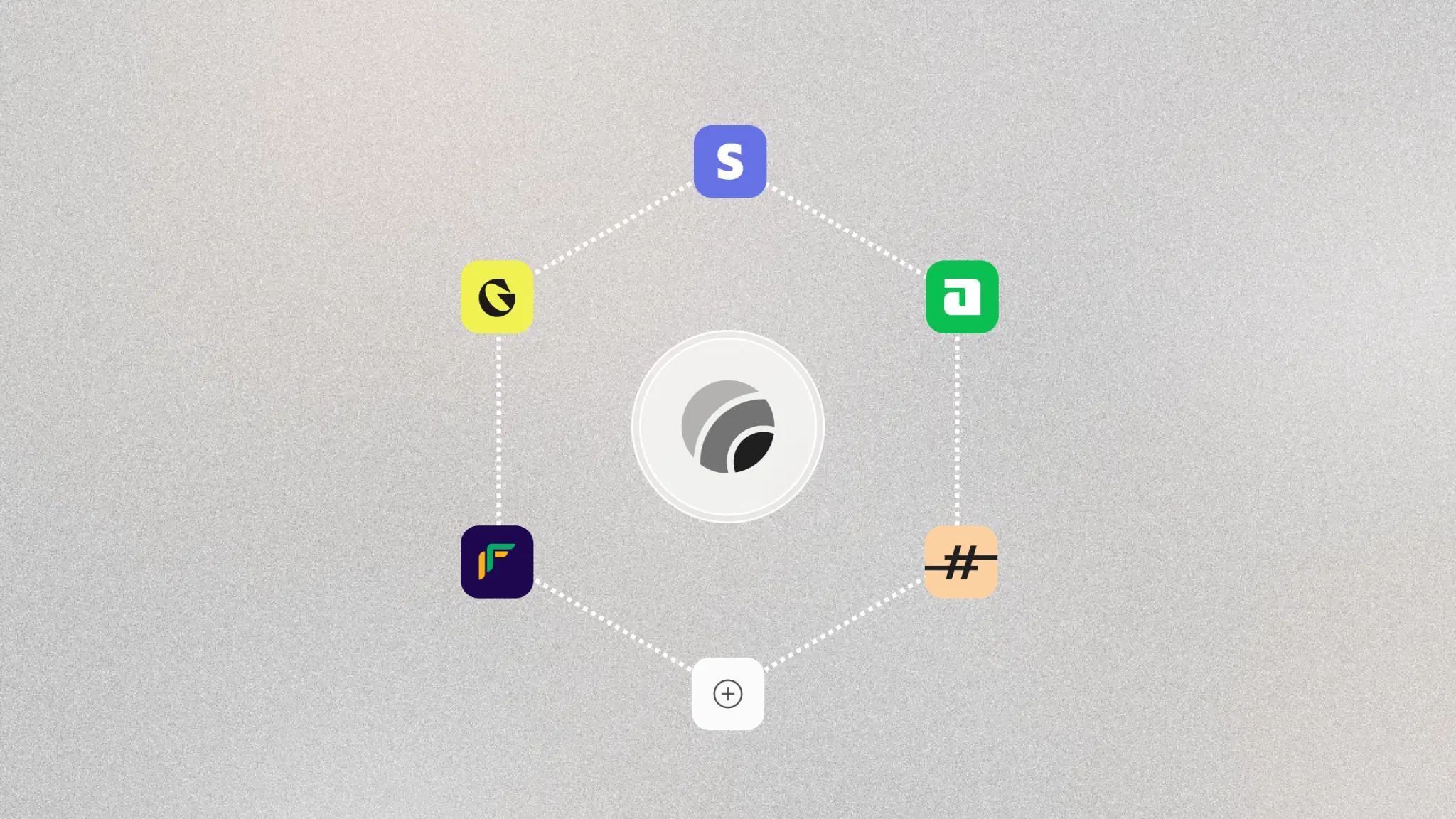
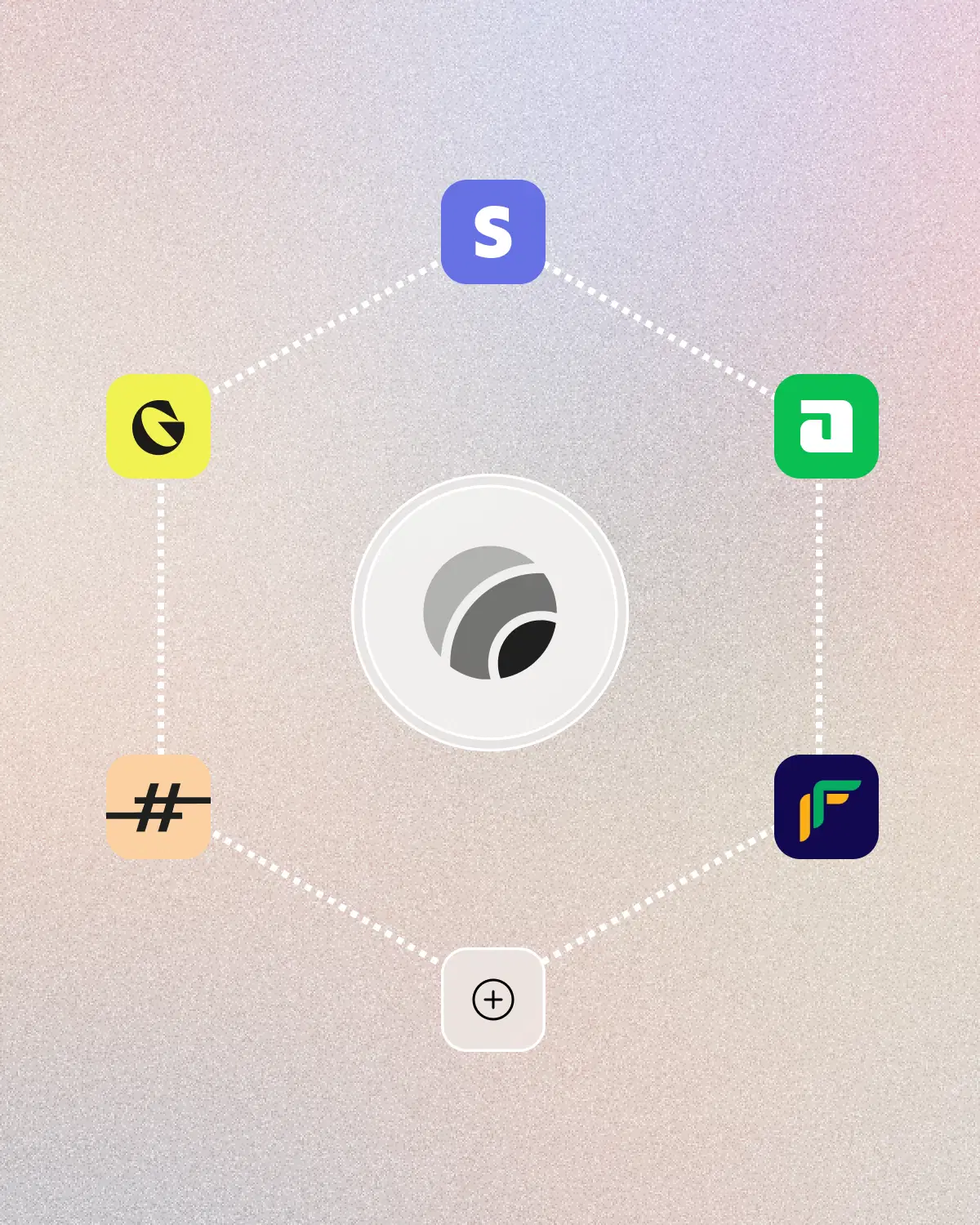
Lago keeps billing separate from your processor. Use a supported payment integration or build a custom connection with webhooks and the API. Manually record payments outside an automated flow.
Lago ensures your invoices get paid without manual follow-up.
Billing is mission-critical. Lago is engineered for the realities of high-volume enterprises.
See how ambitious teams build and scale their billing with Lago.
Frontier AILago has been able to follow the pace of our releases and has allowed us to focus on what we do best.
Cash collection is the set of tools Lago uses to get invoices paid: payment retries, dunning reminders, progressive billing on high-usage accounts, and payment-provider integrations. The automated collection steps depend on which provider connection is configured.
Lago's official integrations with GoCardless, Stripe and Adyen handle the documented payment lifecycle. For a processor without a native integration, Lago sends billing information by webhook; your team builds and tests payment collection and status updates with that provider.
A failed payment shows up as invoice.payment_failure, and the invoice can be resent for collection from the UI or the API. Lago also generates a payment URL valid for 24 hours that a customer can use to pay directly, and a successful retry updates the invoice status automatically through the invoice.payment_status_updated event.
Progressive billing invoices a customer automatically once their cumulative usage crosses a threshold, instead of waiting for the billing cycle to end. This limits how much unpaid usage a high-consumption customer can rack up before being billed, which reduces the risk of unpaid invoices or fraud on usage-based plans.
Yes, two ways. Standard automatic dunning sends reminder emails on a defined delay and attempt count once an account crosses an overdue balance threshold. Lago's Dunning Agent goes further: it reads a customer's payment history and reliability before deciding whether to send a reminder, retry a charge below a set cap, or escalate to a person, rather than applying the same timeline to every account. The Dunning Agent is available by request.
Yes. Prepaid credits let a customer pay upfront and draw down against that balance as they use the product, reducing exposure to unpaid usage. Wallet alerts and threshold top-ups help customers refill before they run out. Your product must decide what happens when a balance reaches zero or a top-up payment fails.
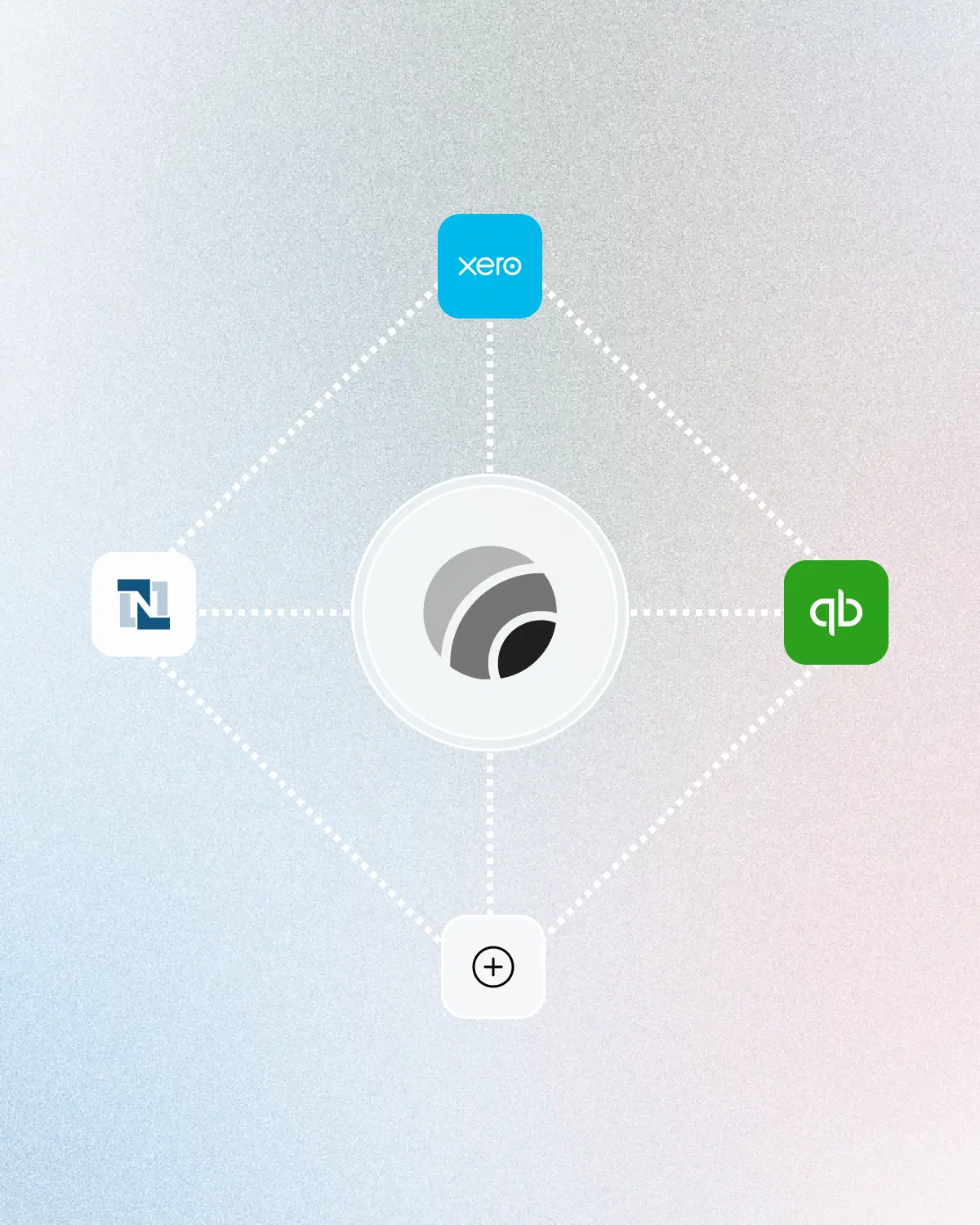
Yes. Lago supports two-way accounting syncs with Xero, NetSuite, and QuickBooks, so invoices, payments, and credit notes stay consistent between the billing system and the general ledger without manual re-entry.
Yes. The same collection tools (payment retries, dunning, provider integrations) apply regardless of whether a plan is a flat subscription, pure usage-based, or hybrid. Progressive billing and prepaid credits are the two tools specific to usage-heavy plans, since that's where unbilled consumption risk is highest.