Pricing & Monetization
Lago vs Chargebee: Choose Billing for the Product You Will Sell Next

Anh-Tho Chuong•Oct 15•4 min read
Oct 15
/4 min read
Anh-Tho Chuong
Share on


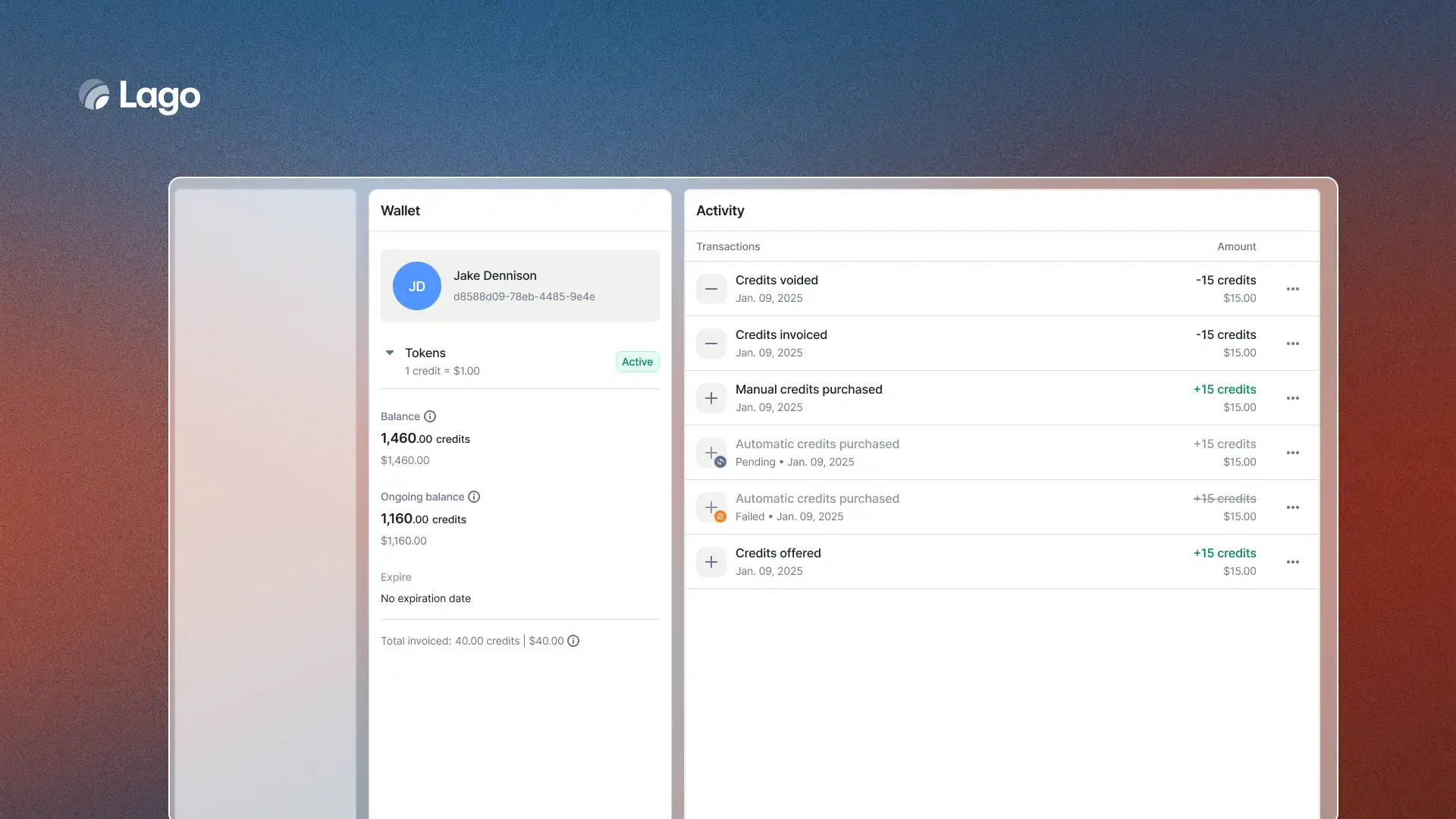
If your SaaS or AI product adds usage and credits to self-serve plans, or sells negotiated contracts, start with Lago Cloud. Both platforms can bill subscriptions and usage. The more revealing question is what happens when you launch a new AI feature or change its price. Lago connects usage events to billable metrics, prices, prepaid credits and invoices. Its ongoing wallet balance includes current usage and refreshes every minute. In Chargebee's documented prepaid-credit workflow, your application calculates each credit debit before sending it to the ledger. That difference matters every time the cost of an AI action changes.
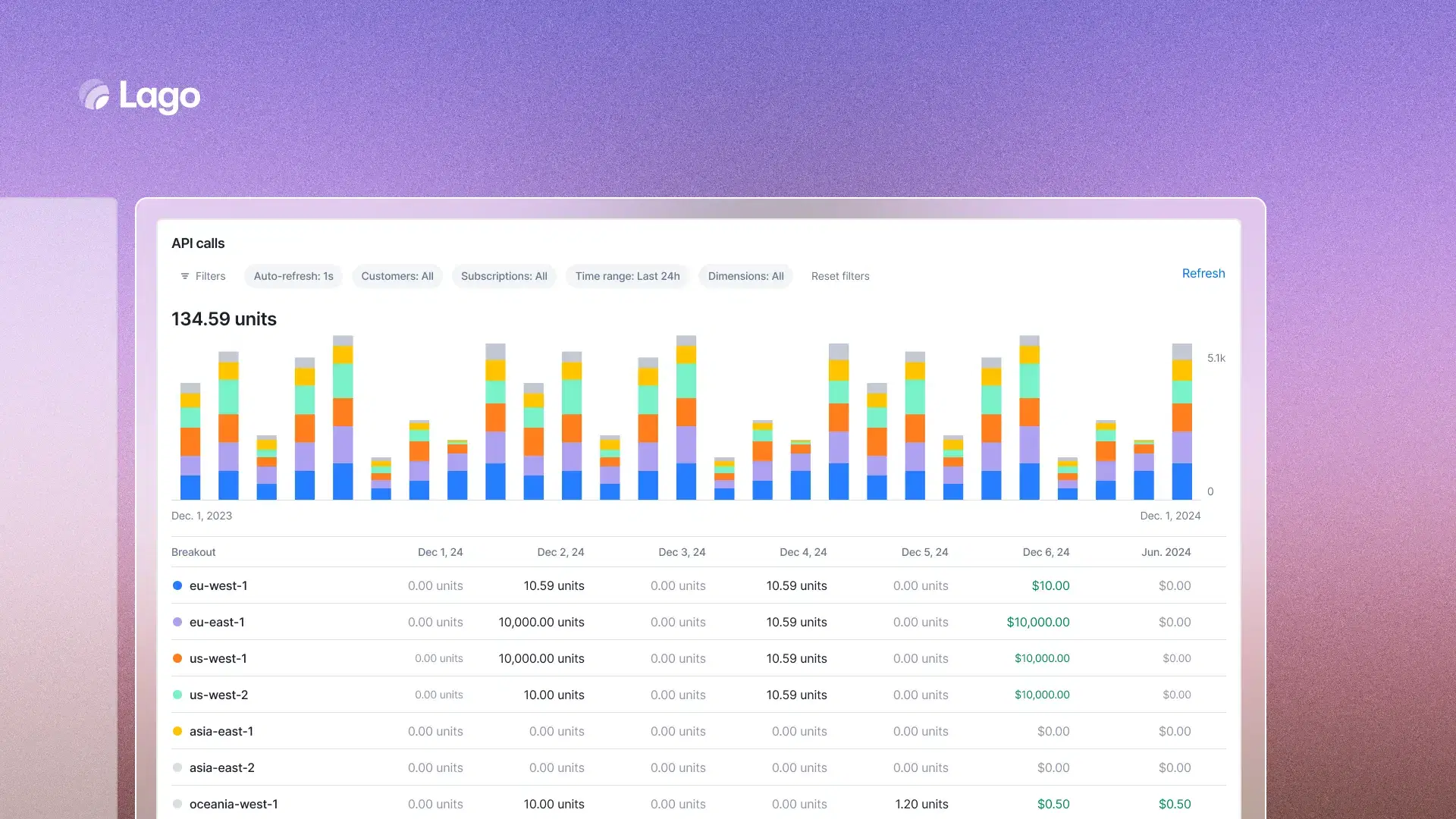
Suppose you add a new AI model. Input and output tokens have different rates; enterprise customers have negotiated prices; customers can prepay for usage. Your application sends events with the model and other dimensions. In Lago, you can define billable usage as a sum, count, unique count, latest value or time-weighted amount, with expressions for calculations from event properties. Charge filters set rates by model or region, and customer-level overrides carry negotiated terms. Lago supports standard, graduated, package, volume, percentage, graduated-percentage and dynamic charge models. Configure the charge that matches what you sell, then inspect the invoice.
Chargebee has metered features and multiple aggregation methods, along with tiered, volume and package pricing. A feature count will not tell you which system is easier to change. Ask both vendors to add the model, change one rate and show where the calculation lives. Then check the prepaid-credit path. Lago applies eligible credits against the rated charges and refreshes the ongoing balance every minute, with alerts and automatic top-ups. Chargebee's credit ledger supports grants and reservations, but its published workflow has your application compute and send each debit. Its prepaid-credit feature is in early access, so confirm access in the proposal. In either system, your application decides when to stop product access.
Lago is the developer-first option in this comparison. Lago Cloud manages the service, while engineers build with a documented API, OpenAPI spec, SDKs, signed webhooks, CLI and MCP server. They can run a local AI billing demo from event to verified charge, then inspect the open-source engine when a calculation needs explaining or extending. Self-hosting is also available. The team that will maintain billing can test the exact pricing change before it becomes a production dependency.
Score the same four tests on invoice accuracy, time to change a price, application work, customer visibility and finance reconciliation. Get a written proposal naming access, event limits, support and total cost for your deployment. The examples above are illustrative, not vendor quotes.
Choose Lago Cloud when pricing flexibility, prepaid AI credits and developer control matter across self-serve and enterprise accounts. The decisive proof is a working change from a new usage event to a customer balance and invoice, without rebuilding credit math in your application. Before switching, test the steps your team depends on: how customers pay, whether credits can be set aside before they use a paid AI feature, and how Finance closes the month. Run one sample month in Lago Cloud alongside your current system, without charging customers twice, then compare usage, credit balances and invoice totals.
If you are choosing a billing platform for your next AI pricing change, test it with Lago Cloud. Bring a new model, a customer-specific rate, or a trial that ramps into paid usage. Lago Cloud already gives you prepaid credits, automatic top-ups, and a wallet balance refreshed every minute. In a demo, preview how reusable pricing across plans, scheduled rate changes, and phased prices would work for your business. We will show the credit flow and map your scenario to the invoice, so you can judge Lago against what you actually plan to sell.
Book a Lago demo with your current plan and one proposed pricing change. If you sell enterprise deals, bring an anonymized order form too. Ask us to show the effect on the wallet and invoice.
Lago Cloud is the managed option described here. If you prefer to run Lago on your own infrastructure, we also offer Premium self-hosted and an open-source edition.

Anh-Tho Chuong
Anh-Tho Chuong is the co-founder and CEO of Lago, the open-source billing platform. She writes about pricing, business models as code, and using product as a monetization lever.
Share on